

Downtown Bellevue Is Entering Its Next Planning Era. Here’s What Livability 2.0 Could Mean for Condo Owners
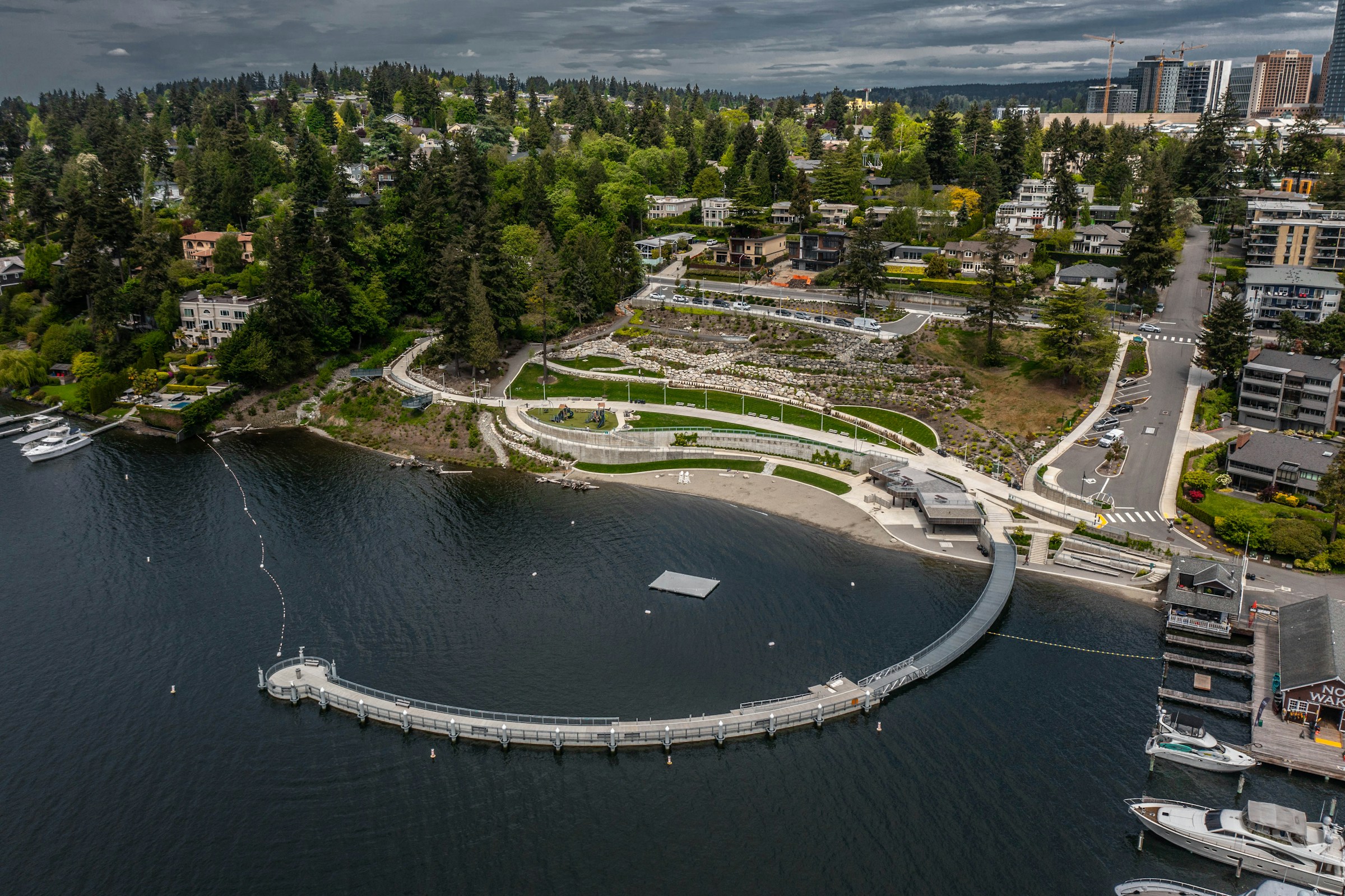
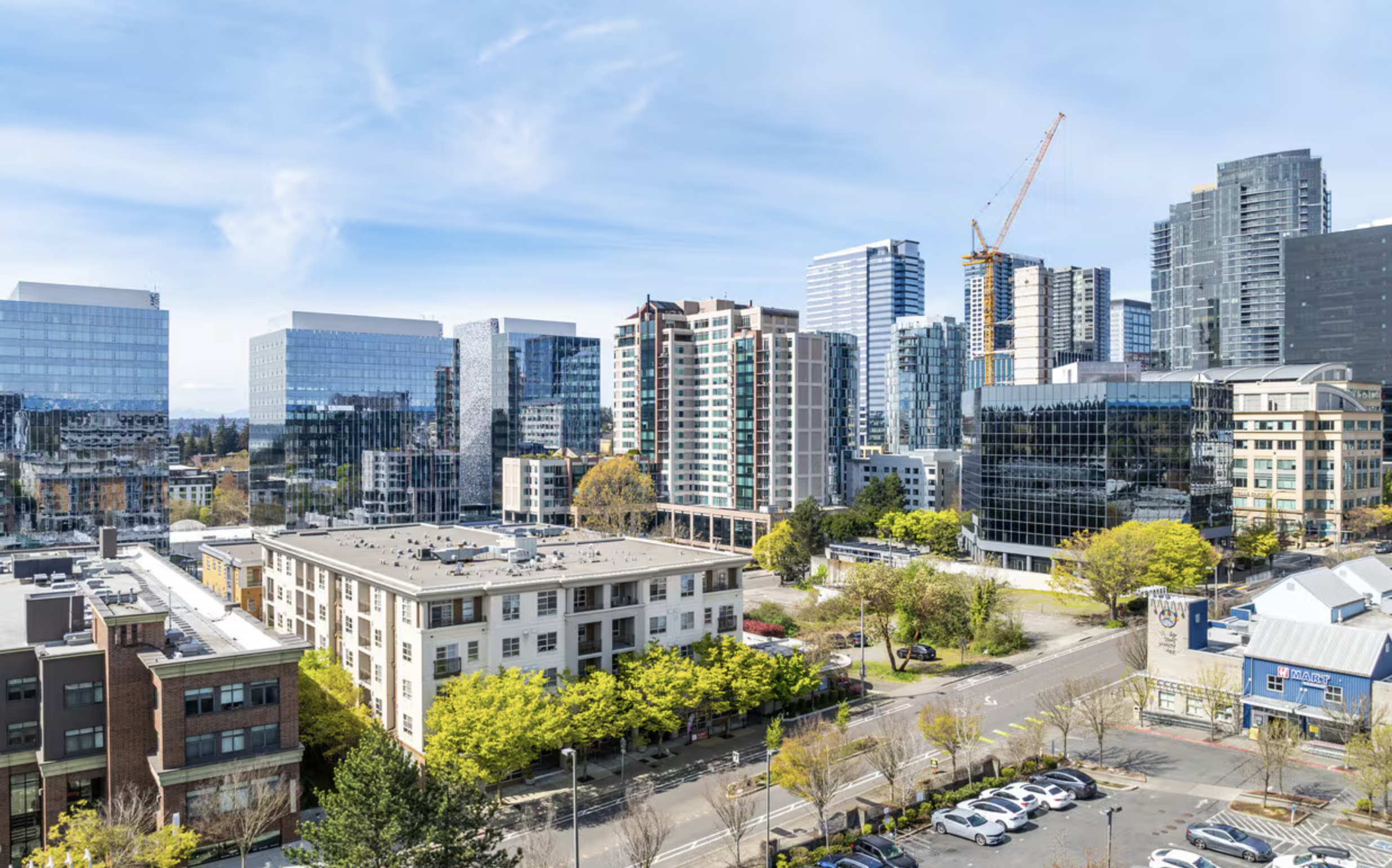
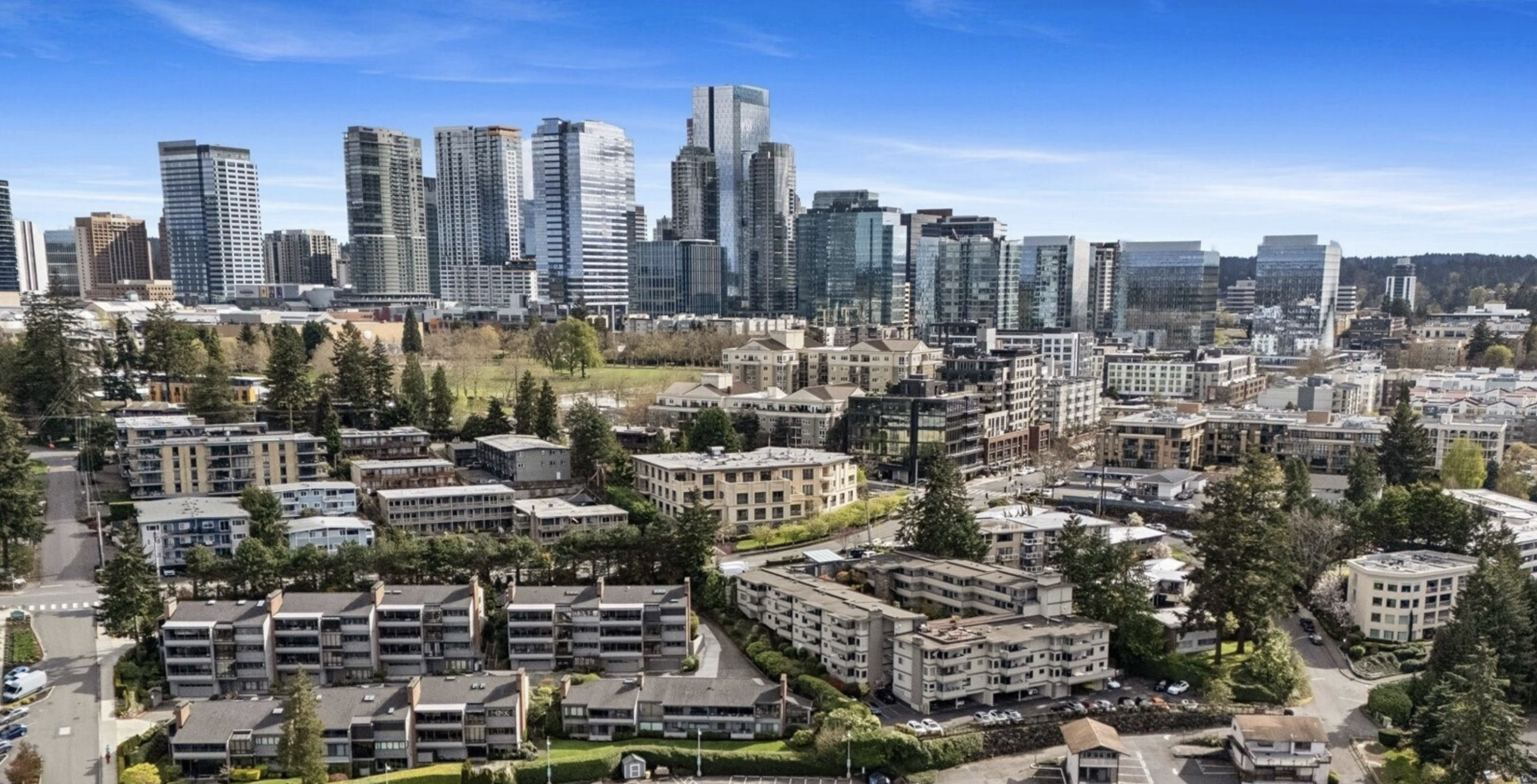
Downtown Bellevue has changed more in the last decade than many lifelong residents thought possible. Towers have replaced surface lots, the skyline has filled in along NE 6th and NE 8th, and the district that locals once described as “office park with a mall” now reads as a true urban core. The rules that shaped most of that growth came out of the 2017 Downtown Livability Initiative, a five-year, 190-page rewrite of the downtown land use code.
In 2026, the city is preparing to revisit those rules. Bellevue City Council has launched what staff and stakeholders are calling Downtown Livability 2.0, with formal project initiation moving forward this spring and a roughly one-year timeline to completion.
If you own a condo downtown, are shopping for one, or hold downtown property as an investment, this is a planning cycle worth paying attention to. Here is what we know so far and why it matters.
A Quick Refresher on Downtown Livability 1.0
The original Downtown Livability Initiative was the first major rewrite of Bellevue’s downtown zoning in roughly three decades. Adopted by Council in 2017, it introduced or refined a long list of tools that still shape every new high-rise going up today, including:
- Tower spacing standards intended to protect view corridors and daylight at street level
- A revamped amenity incentive system that lets developers earn additional height and floor area in exchange for public benefits
- The Great Streets framework, which set design standards for sidewalks, ground-floor uses, and the pedestrian environment
- New rules for affordable housing contributions and open space
That code is the reason recent towers along Bellevue Way and 108th have generous setbacks, ground-floor retail, mid-block connections, and the kind of streetscape activation you do not see in older downtown blocks.

What Downtown Livability 2.0 Is, and What It Is Not
Downtown Livability 2.0 is best understood as a refinement, not a do-over. The 2017 code was always designed to be revisited as downtown built out and as the city learned what was working in practice. Roughly nine years in, there is enough completed development to see where the code is producing the intended results and where it is not.
Based on early city communications and Council discussion, the scope is expected to include:
- Coordination with the Grand Connection, the cross-downtown pedestrian and cultural corridor that will eventually link Meydenbauer Bay to the Wilburton area over I-405
- Targeted attention to Old Bellevue and Main Street, where Council has signaled it wants the code to better reflect the neighborhood’s existing scale and character
- A look at how the amenity incentive system is performing in real projects and whether the public benefits being earned still match community priorities
- Refinements to design standards as the city moves from a phase of rapid new construction to a phase focused on how buildings, sidewalks, and public spaces work together
What it is not is a rollback of downtown density. Bellevue’s broader Comprehensive Plan and 2026 to 2032 Affordable Housing Strategy both lean further into downtown as the region’s primary growth center.
Why Condo Owners Should Care
Zoning rewrites can feel abstract until they show up in your view, your HOA meeting, or your resale comp. A few specific reasons this matters for condo owners:
View and light corridors. Tower spacing and height rules are the single biggest factor in whether the unit you bought for the view still has that view in ten years. Any change to spacing standards, podium heights, or upper-floor stepbacks affects long-term sightlines from existing buildings.
Walkability and ground-floor experience. A lot of downtown condo value is tied to the street outside the front door. The Great Streets framework, retail frontage requirements, and the Grand Connection all shape whether your block keeps getting more walkable or stalls out.
Parking policy. Downtown parking ratios and shared parking rules are likely topics in a Livability 2.0 conversation. Changes here can affect HOA parking arrangements, guest parking access, and the resale appeal of units with extra stalls.
Old Bellevue character. If you own in or near Old Bellevue, design and scale rules along Main Street are directly on the table.
Why Buyers Should Care
For buyers, planning cycles are signals. A city that is actively refining its downtown code rather than letting it drift tends to keep producing the kind of urban environment that supports condo values over time. The fact that Bellevue is voluntarily reopening the code, alongside a major affordable housing strategy and continued investment in the Grand Connection, suggests the city is treating downtown as a long-term project, not a finished one.
Practically, that means buyers in 2026 should:
- Ask about a building’s amenity package and how it was earned under the 2017 code, since some of those incentive structures may evolve
- Look at the blocks immediately around a building, not just the building itself, because surrounding parcels still have meaningful redevelopment potential
- Pay attention to which side of downtown a unit faces, since Grand Connection alignment and Old Bellevue design rules will shape different sub-areas differently
Why Investors Should Care
For investors, the takeaway is simpler. Bellevue is one of the few West Coast downtowns where the public sector is still actively pulling growth toward the core rather than dispersing it. Downtown Livability 2.0 is a continuation of that posture. Expect the conversation to center on how to make downtown function better as a 24/7 neighborhood, not on whether downtown should keep growing.
Areas worth watching as the process unfolds:
- Any changes to FAR, height, or incentive structures that affect the development math on remaining downtown sites
- Treatment of older, lower-rise inventory in Old Bellevue, which could see new design overlays
- How the code handles ground-floor retail and residential mix as office demand and retail formats continue to shift
Timeline and How to Stay Engaged
Project initiation is moving forward this spring, with a city project website launching alongside it. The full process is expected to run roughly a year, which means draft code language and public comment opportunities will likely surface in late 2026 and into 2027.
If you want to track it directly:
- Watch the city’s Downtown Livability page on bellevuewa.gov for the new project site and meeting calendar
- Follow Bellevue City Council Roundup updates for the items where Livability 2.0 hits the agenda
- Keep an eye on the Bellevue Downtown Association’s Land Use and Livability Committee, which historically weighs in on every major downtown code change
The Bottom Line
Downtown Bellevue is not just adding buildings. The city is actively revisiting how downtown should function as a high-density urban center, and the rules that come out of Downtown Livability 2.0 will shape the next decade of views, walkability, retail mix, and resale dynamics. For condo owners, buyers, and investors, this is the kind of slow-moving story that quietly determines a lot about what downtown looks and feels like in 2030 and beyond.
We will be following the process closely and will share updates as draft code language and public comment opportunities are released. If you want to talk through how Livability 2.0 might affect a specific building, block, or potential purchase, get in touch.